
How Grade 2 Students Build Confidence Through STEAM
Grade 2 teacher Ms. Tannis shares how hands-on STEAM learning helps students think together, try new ideas and grow more confident in what they can do.
In my 15 years teaching at River Valley School, design thinking and integrated learning have always been central to our approach. Our new STEAM Studio allows us to build on that foundation, expanding our capacity and provide even more hands-on learning experiences for our students.
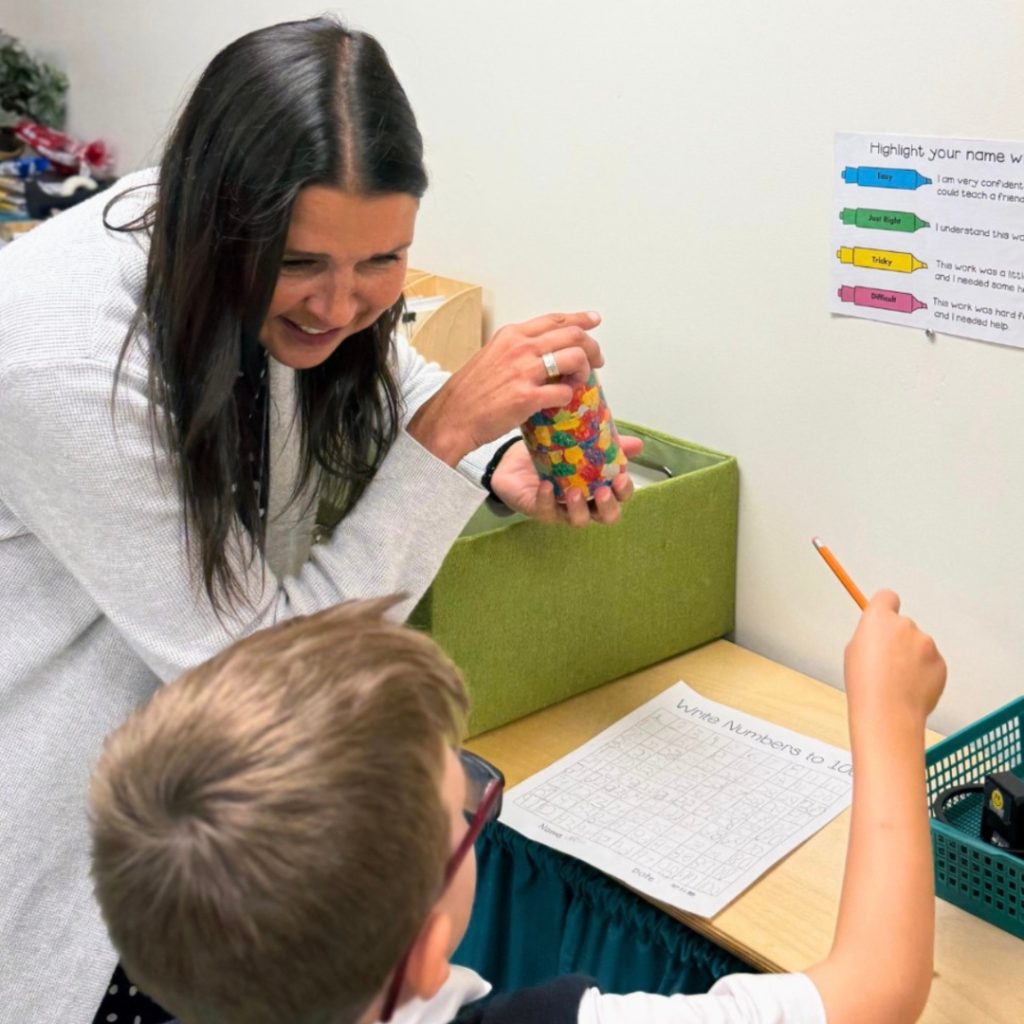
In a world where information and answers can be at our fingertips, students must be encouraged to wonder, explore, and think. Our “thinking muscles” need to be continuously and intentionally strengthened.
Over the past year, our teaching staff have been involved in a study about how to build thinking classrooms. Research shows that changing the learning environment by taking learning outside the everyday classroom and giving students space to stand and move while engaging in thinking tasks has a positive, profound impact on learning and retention. We now have a beautiful space to explore thinking tasks in more active, multi-sensory ways.
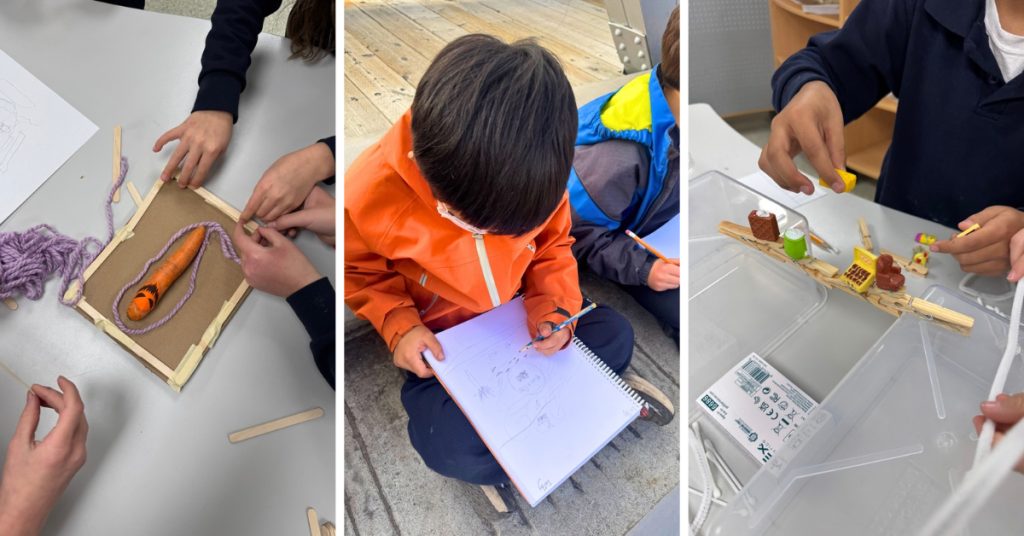
Our Grade Two students have spent the last six weeks in the STEAM Studio engaging in targeted activities that explore and combine curricular outcomes in Language Arts, Math, Science, Social Studies and Wellness. Learning doesn’t happen in a vacuum, and students should see learning as interdisciplinary and see how their learning connects to the real world.
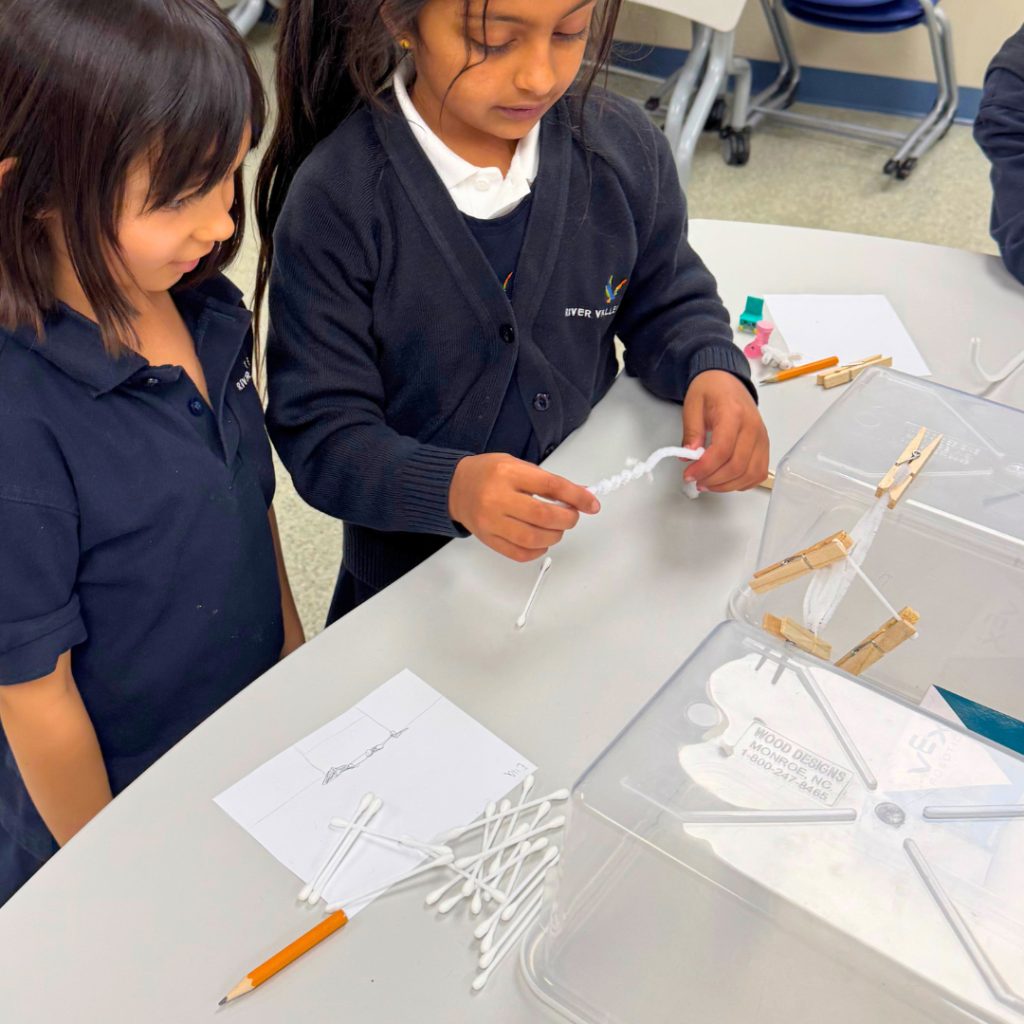
Cross-curricular lessons not only promote academic growth, but they also prepare our students for the future by developing their abilities to work collaboratively, think critically, problem-solve, be adaptable, be flexible, be resilient, and persevere. These skills are not explicitly taught; they are developed over time when given rich opportunities to wonder, explore and think.
Our design thinking process also gives students opportunities to understand that failure helps them learn, grow and discover. Experiences in the STEAM studio have helped our students develop a growth mindset, embrace small wins, and celebrate the “almost moments.” Design thinking helps students manage their feelings when ideas fail or problems remain unsolved.
In just over just 6 weeks, I have witnessed incredible growth:
- I have seen less worrying about outcomes and more confidence in trying, leading to more risk taking.
- I have seen increased levels of cooperation and collaboration.
- I have seen students learn to value the opinions of others and work together with sustained focus for a common goal.
- I have observed deeper thinking the transfer of learning (from week to week).
- I have seen increased excitement and enthusiasm about learning.
- I have seen inspired young learners who want to keep thinking, keep trying and keep dreaming.
And the best part is…we are just getting started!


